We build software and interactive learning materials to help musicians create amazing music and gain a deep understanding and intuition for how music works.
The Founders and Hooktheory’s Beginnings
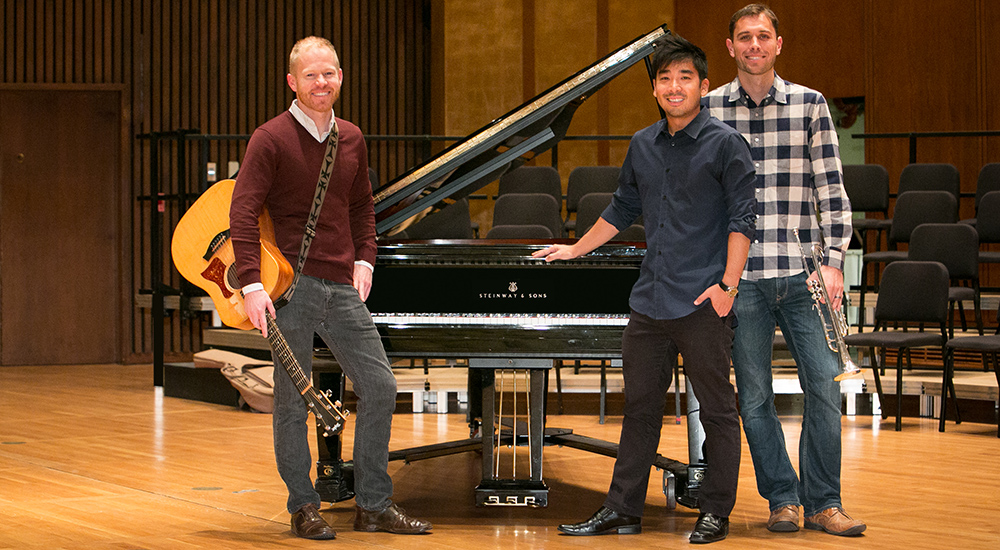
Dave, Ryan, and Chris created Hooktheory while working on their PhDs at UC Berkeley and have a long history working together in technology, music, and education. Friends for many years, they have been involved in many projects together, from producing a viral music video espousing the wonders of nanotechnology to working with Nobel Prize-winning physicist Saul Perlmutter to design and teach UC Berkeley's acclaimed Physics and Music Course. The three friends developed and taught “A Songwriter’s Guide: The Theory of Popular Music,” a DeCal course in the Music Department in 2011. The course was so successful that they decided to build a platform based on its concepts in order to make it available to a wider audience. The result is Hooktheory. In 2013 Hooktheory was admitted to Skydeck, the prestigious startup incubator for UC Berkeley companies.
For more info check out this article about the Hooktheory team Berkeley Engineering Magazine Feature: What makes pop pop?
Hooktheory Team
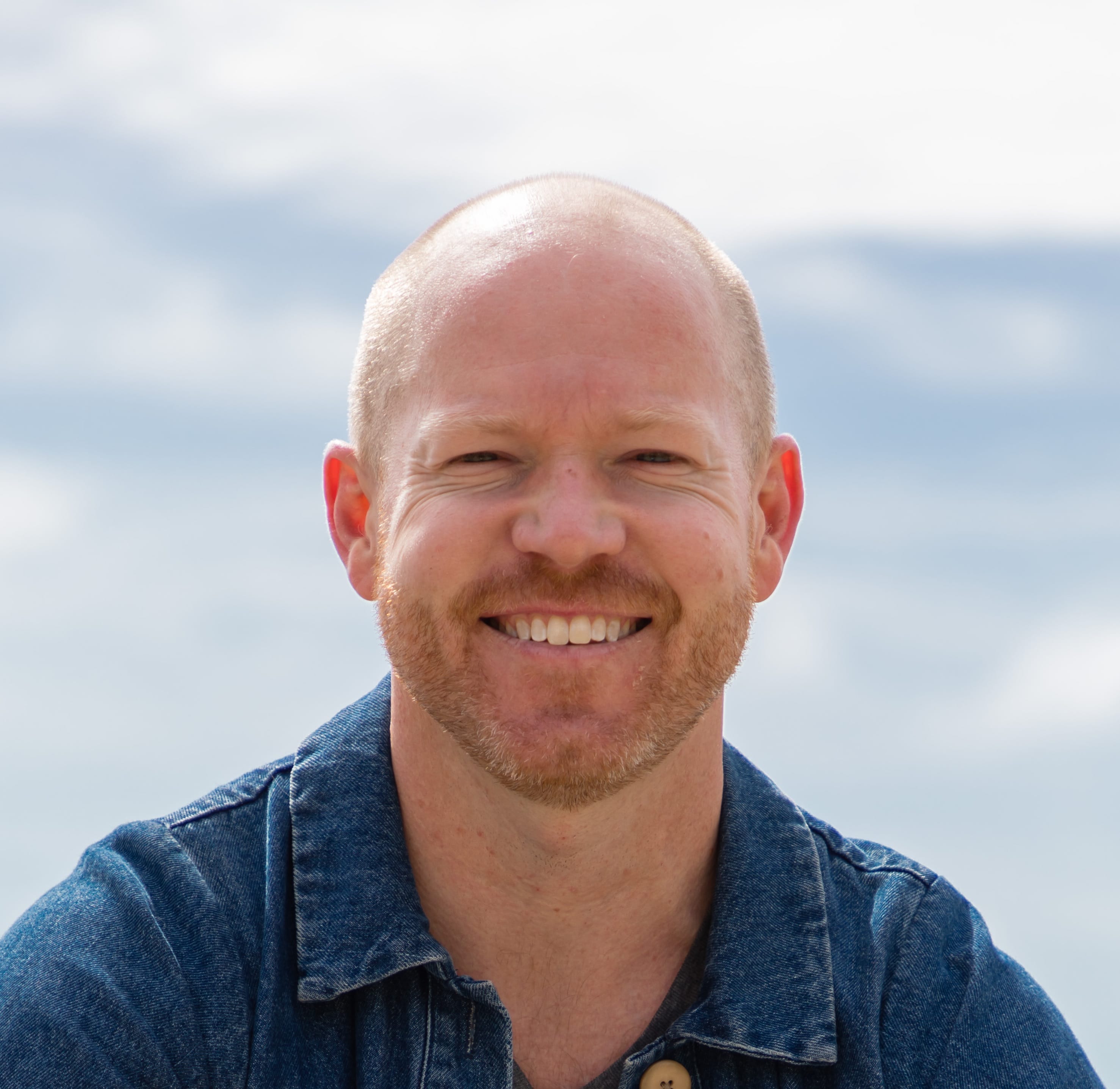
Chris Anderson
As Hooktheory’s lead designer, Chris is the brains behind the look and feel of our products, music notation, and overall user experience. Chris is also a programmer and the lead architect of Hooktheory’s software and web services. He has a PhD from UC Berkeley in Engineering and is an avid musician and guitarist.
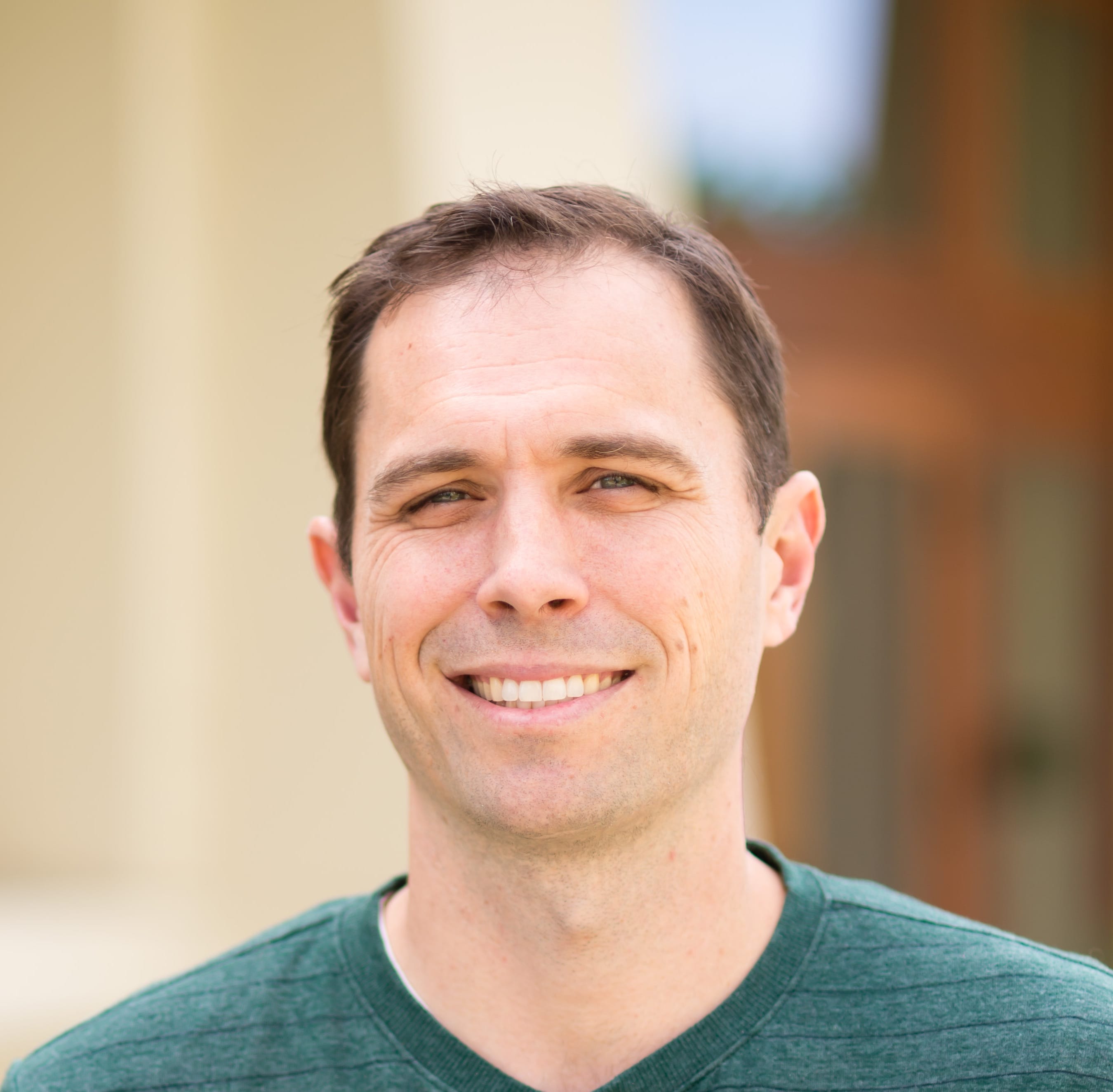
Dave Carlton
Dave wears many hats at Hooktheory. While he is heavily involved in developing our Hookpad music software, he is also the main voice behind our books and some of our most popular blog posts. He loves helping our users get the most out of our software and books and personally handles all of Hooktheory’s support emails. Dave has a Computer Science/Engineering PhD from Berkeley and a music minor and loves applying technology to education and music.
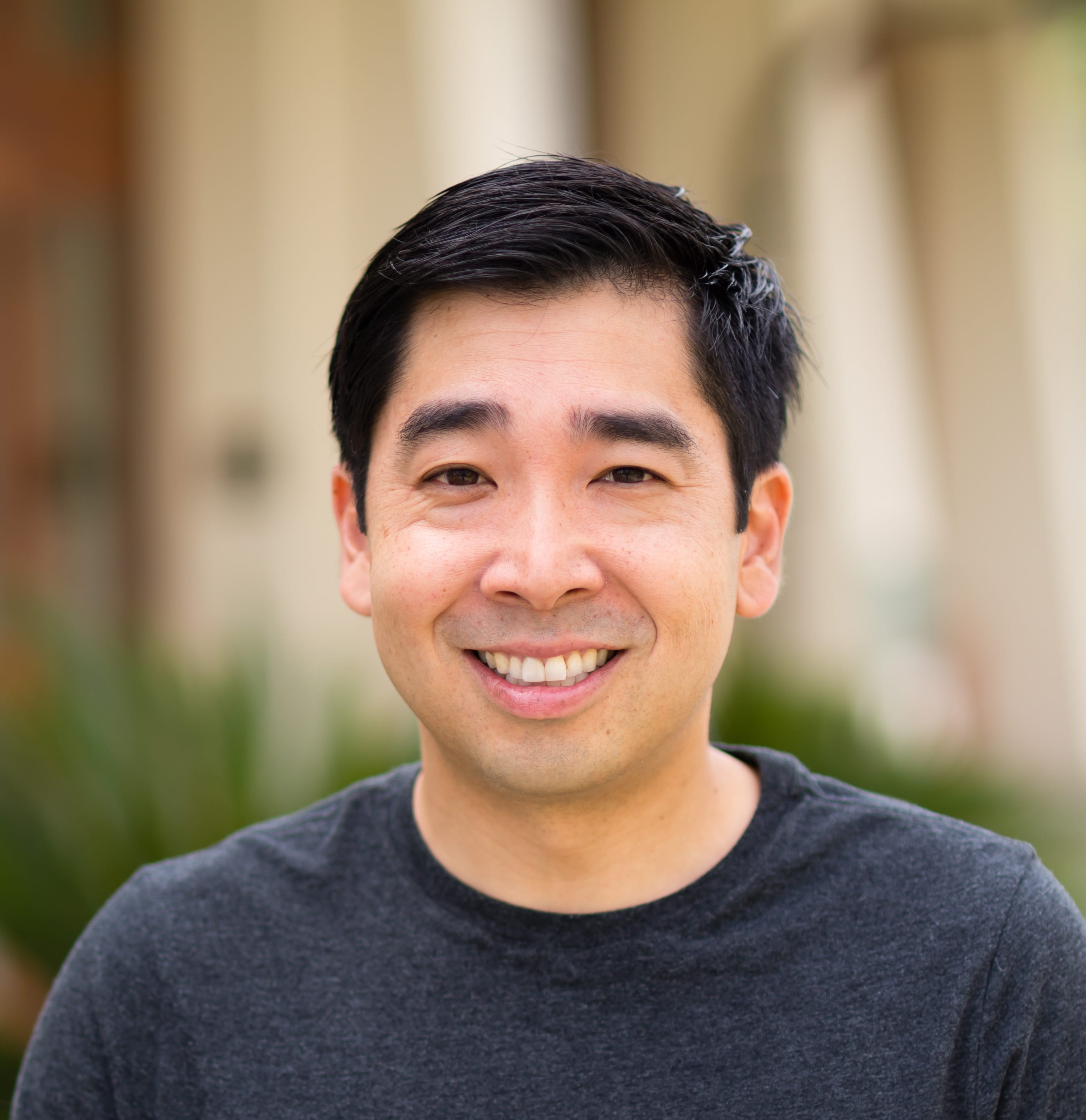
Ryan Miyakawa
Ryan is Hooktheory’s resident music theory aficionado and programs the brains behind Hookpad’s playback, music theory, and artificial intelligence engines. A classically trained pianist, Ryan loves deconstructing popular music to understand the elements of a great song. Ryan has a PhD in engineering from UC Berkeley and is delighted to combine his passions of science and music to help others create music.
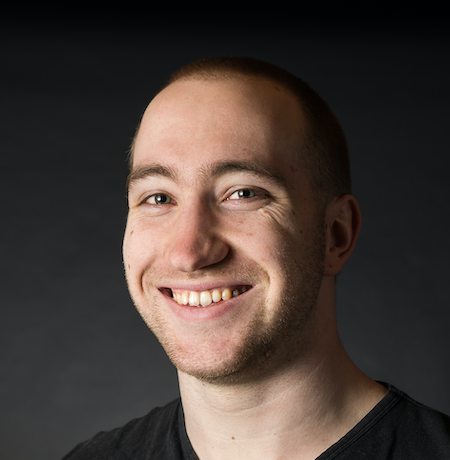
Dennis Schwachhofer
Dennis is the principal architect of Hookpad's audio engine. A classically trained drummer and composer, Dennis has spent countless hours designing, cutting, and fine-tuning Hookpad's library of over 1000 instrument patches from scratch. A graduate of the University for Music and Performing Arts in Munich, Dennis is thrilled to lend his ear to the Hooktheory team and community.